


New Publication in Communications Chemistry
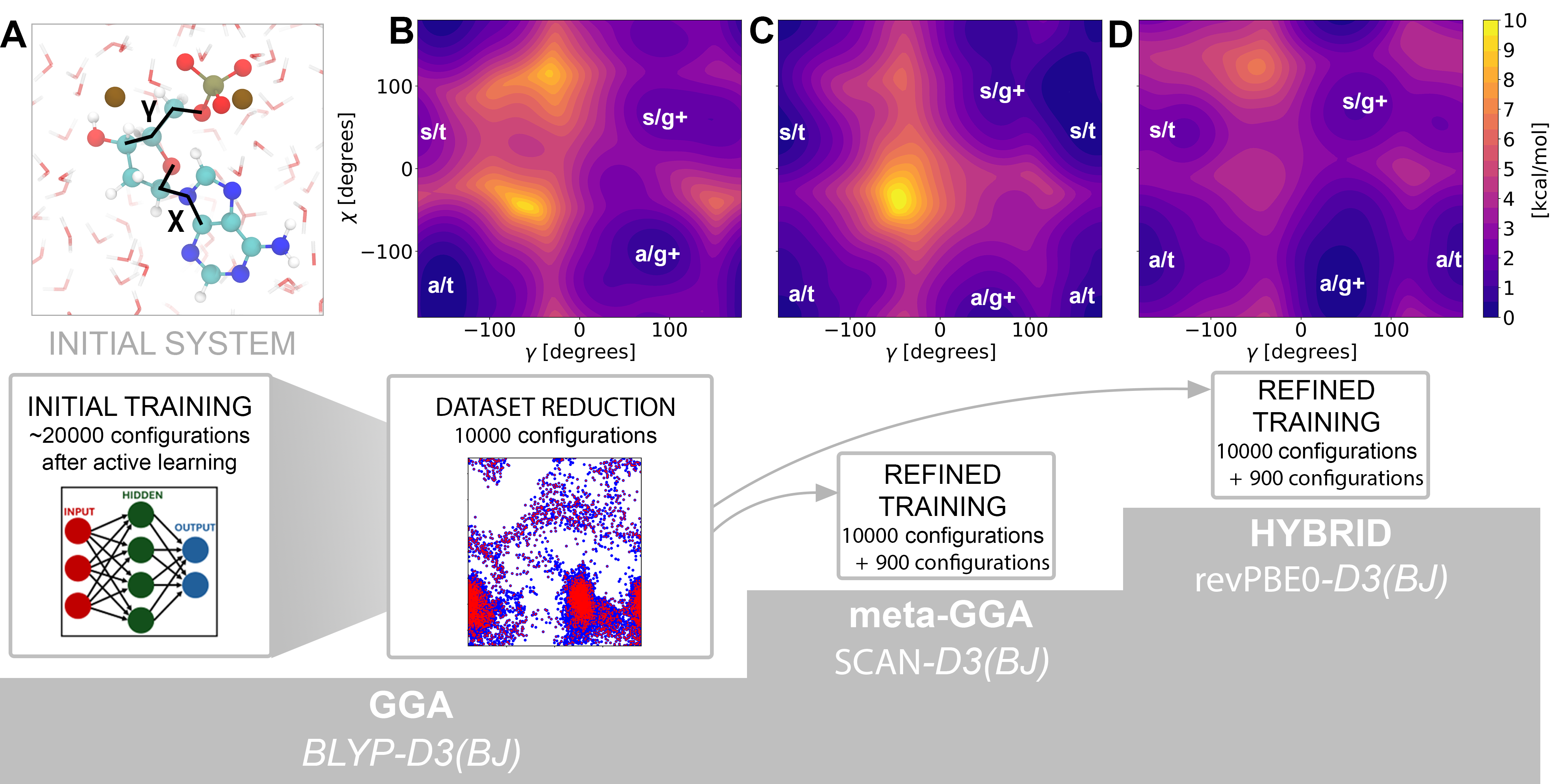
We are excited to announce our latest publication: Conformational heterogeneity and vibrational signatures of dAMP in aqueous solution revealed by high-accuracy machine-learning potentials in Communications Chemistry.
Nucleotides are fundamental building blocks of life, but their behavior in water remains underexplored. Here, the authors develop neural network potentials through an active-learning protocol to study the structural and vibrational properties of 2′-deoxyadenosine 5′-monophosphate (dAMP) in aqueous solution, showing that it populates a mixture of conformations and proposing a framework for studying conformational heterogeneity in biomolecules.
Special thanks to our PhD Laurie Stevens for his contributions to this work.
Read the full paper here.
October 15, 2026
Summer Outing!
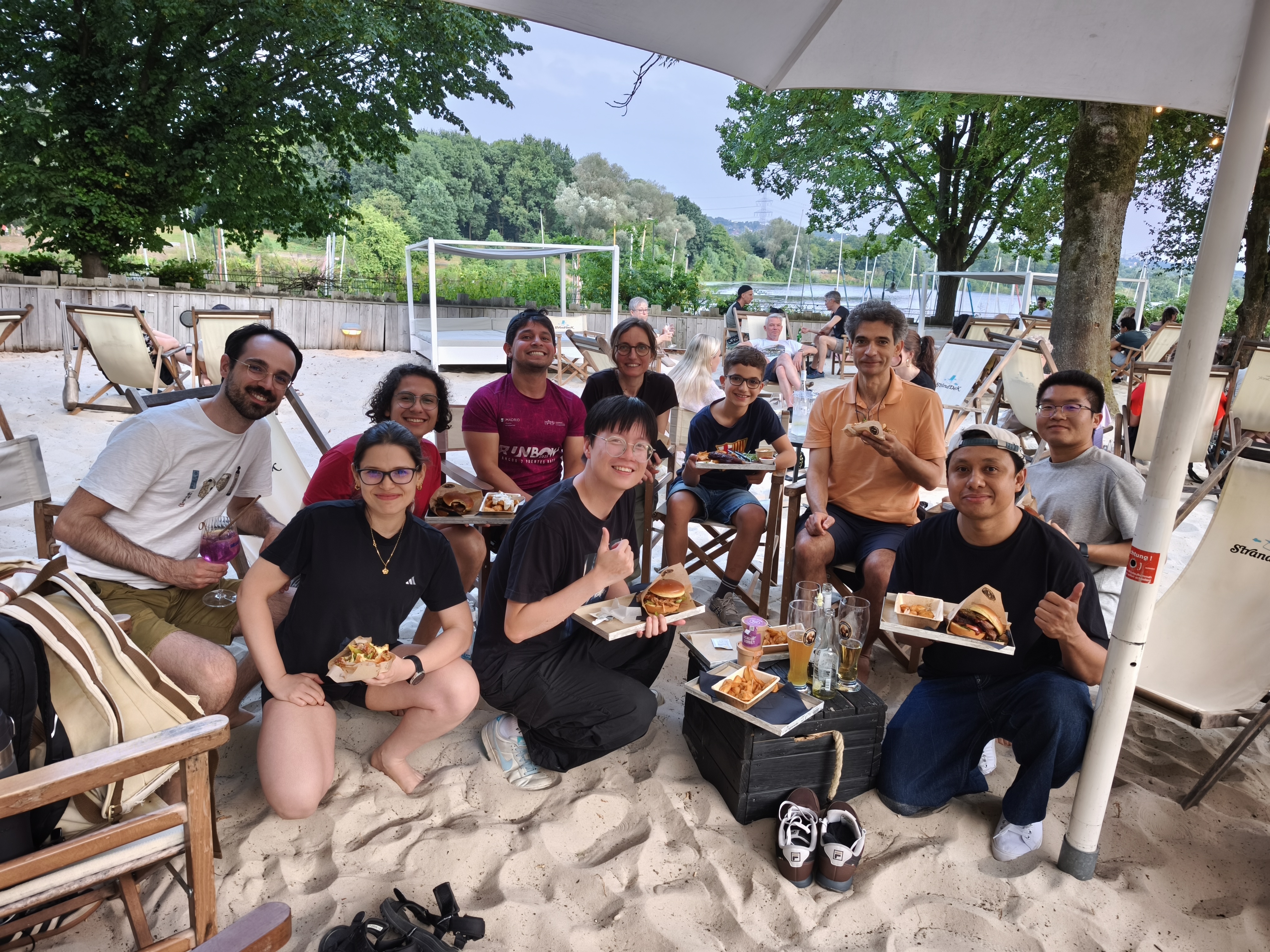
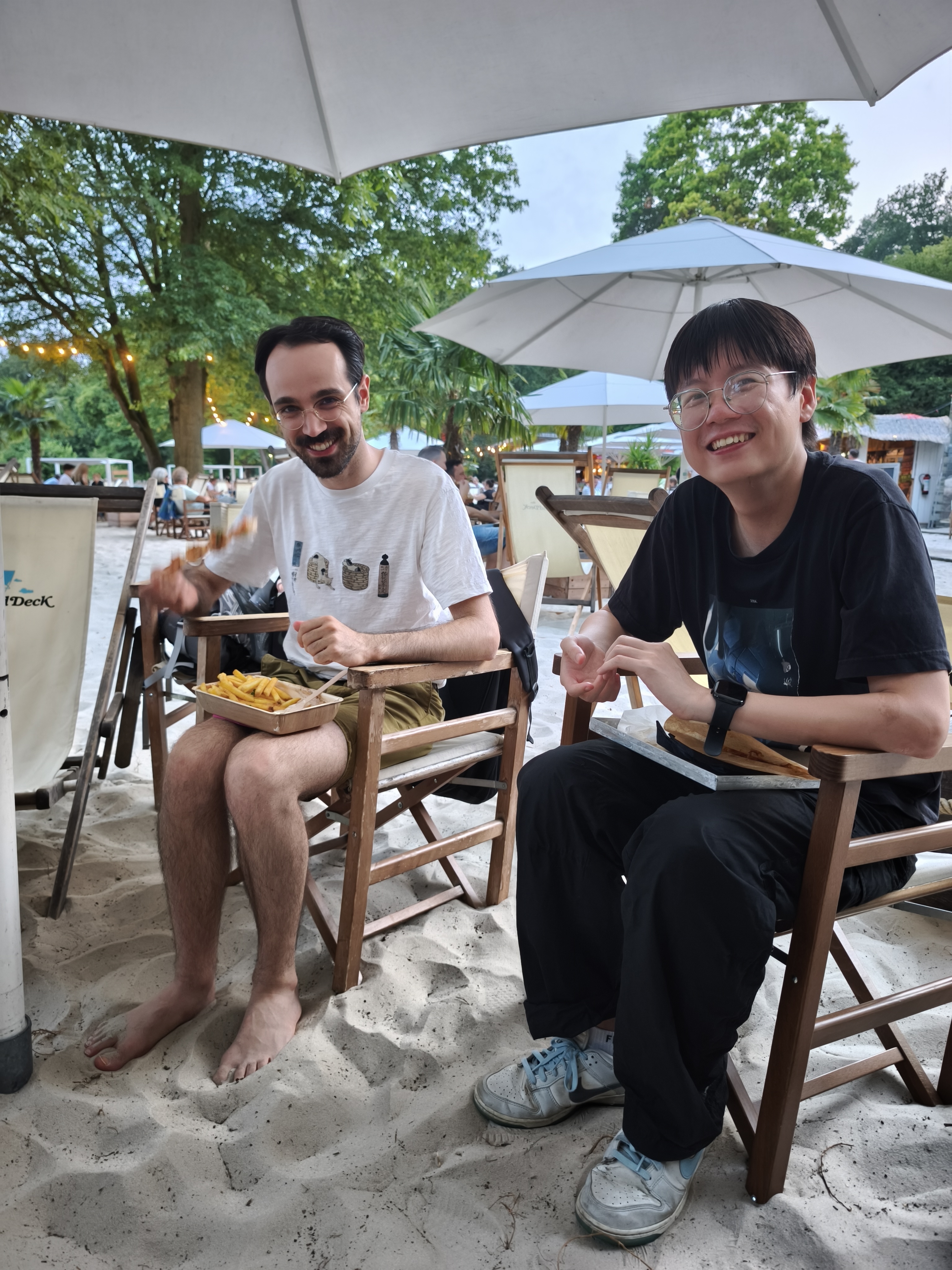
Before everyone headed off for the summer holidays, our group got together for a summer outing at a nearby lakeside beach bar. Even though it is not a real beach, it was a great place to enjoy a summer afternoon.
We spent the evening playing beach volleyball, enjoying burgers and drinks, and taking a break from research to catch up with our current and former colleagues outside the office.
We wish everyone a wonderful summer and look forward to an exciting second half of the year!
New Publication in Langmuir

We are excited to announce our latest publication: Role of Acids in Stabilizing Reverse Micelles: Insights from Dodecyl Sulfate in Langmuir.
Using molecular dynamics simulations, we reveal how different acids modulate the interfacial organization, electrostatics, and morphology of sodium dodecyl sulfate (SDS)-based reverse micelles. Our findings show that acid-specific interactions reshape hydrogen-bond networks, surfactant dynamics, and interfacial properties, providing molecular insights into how reverse micelle environments can be tuned for applications such as nanoparticle synthesis and materials design.
Special thanks to our PhD Qixuan Li for his contributions to this work.
Read the full paper here.
June 10, 2026
New Publication in Nature
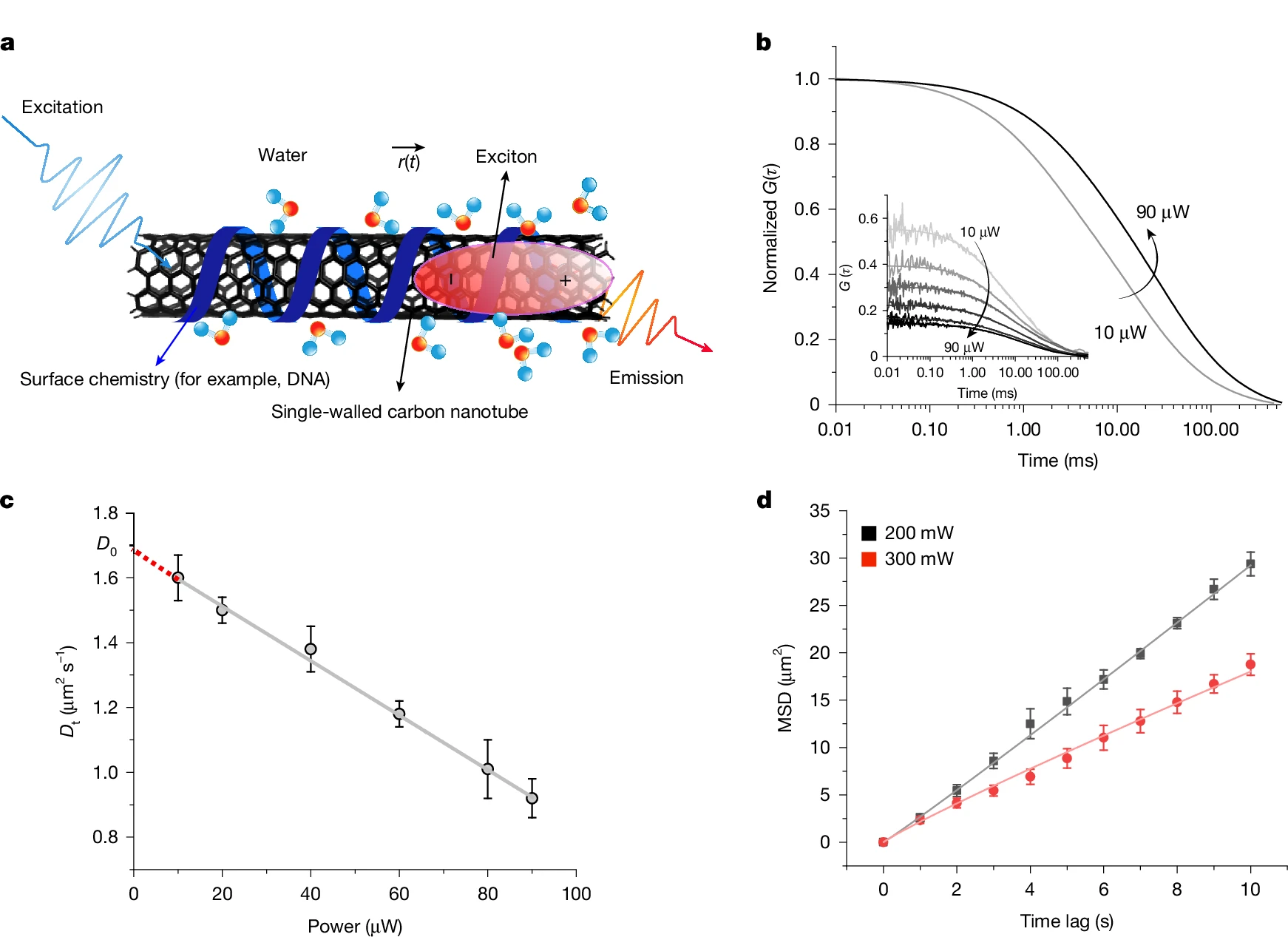
We are excited to announce our latest publication: Light-induced quantum friction of carbon nanotubes in water in Nature.
Using single-walled carbon nanotubes, optical spectroscopy, and molecular dynamics simulations , we reveal how photoexcited electronic states can generate quantum friction at the nanoscale. We show that fluctuating dipole moments of excitons in carbon nanotubes create frictional forces, providing new insights into how electronic excitations can influence nanoscale motion and fluid properties.
Special thanks to our (former) Postdoctoral Researcher Krishan Kanhaiya for his contributions to this work.
Read the full paper here.
June 10, 2026
New Publication in Small
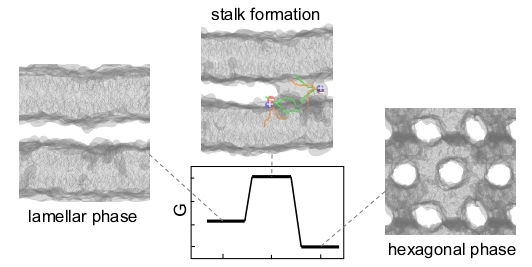
We are excited to announce our latest publication: Mechanistic Insight Into Ionizable Cationic Lipid-Mediated Endosomal Escape via Transient Lipid Complexes in Small.
Using coarse-grained molecular dynamics simulations, this study probes how ionizable cationic lipids (ICLs) in lipid nanoparticles mediate endosomal escape of RNA-based therapeutic cargo, testing the prevailing hypothesis that this is mediated by stable, geometrically cone-shaped complexes between ICLs and anionic endosomal lipids. The simulations instead find no evidence for such stable geometric complexes, and identify a different, electrostatically-driven mechanism: short-lived, transient pairing between anionic and cationic lipids, whose formation lowers the free-energy barrier of the transition state and thereby accelerates the rate-limiting step of the lamellar-to-hexagonal phase transition. This shifts the mechanistic picture from a static geometric packing argument to a dynamic electrostatic one, complementing recent findings that pH-dependent lamellar-to-hexagonal transitions in LNP formulations govern transfection efficiency.
Special thanks to our PhD student David Noel Zimmer for his contributions to this work.
Read the full paper here.
April 26, 2026
DPG 2026 – Dresden
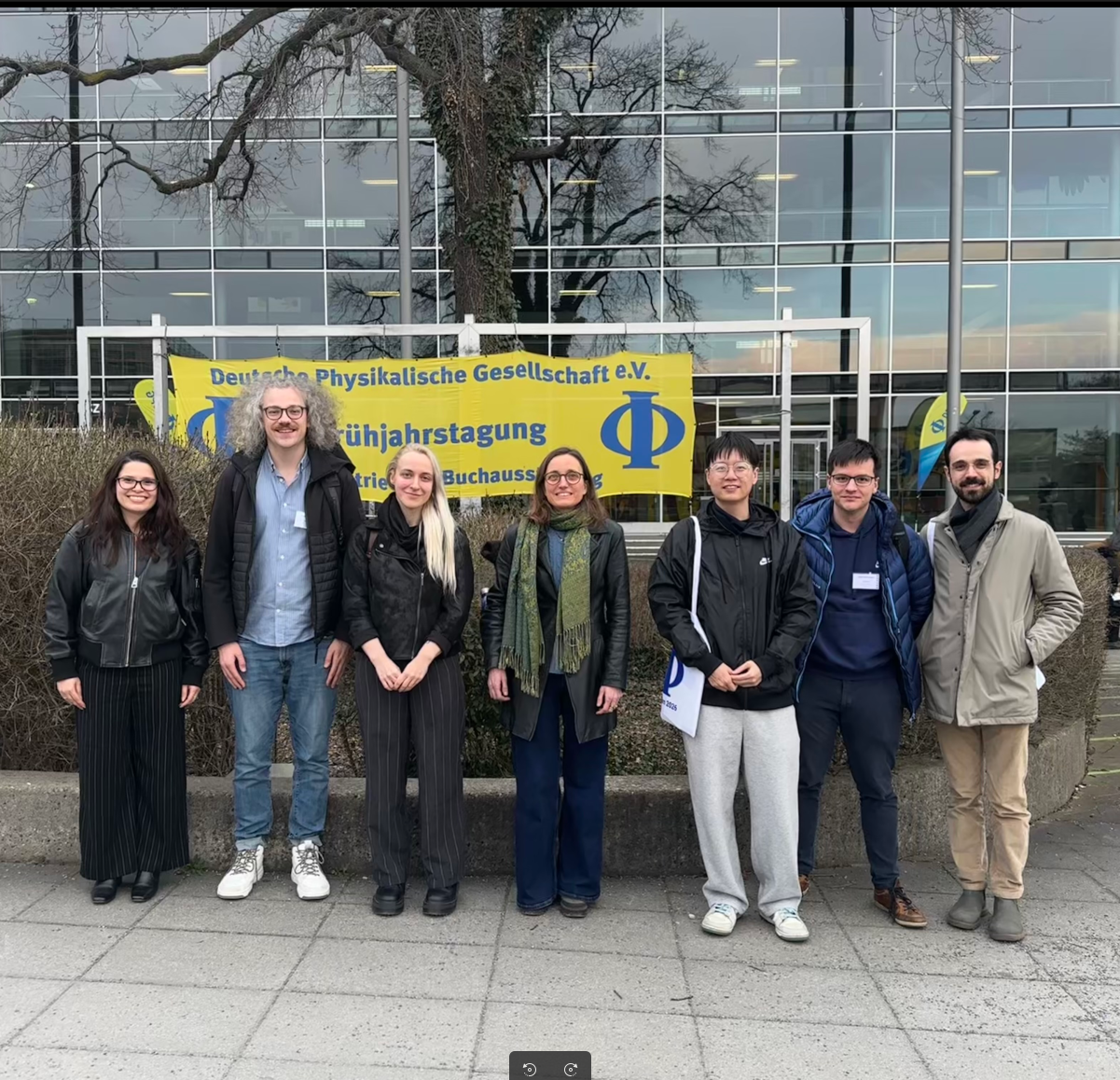
We’re happy to share that Prof. Marialore Sulpizi delivered two invited talks, and several members of our group also presented their latest research at the DPG Spring Meeting 2026 in Dresden!
Invited Talks:
A polarizable model for atomistic simulations of metals and graphitic material/ liquid interfaces.
Acidity in nanoconfinement from ab initio and NNPs simulations.
Talks Presented:
Qixuan Li – Role of acids in stabilizing Reverse Micelles: the case of Dodecyl Sulfate.
Laurie Stevens – Bridging Accuracy and Sampling: Insights into dAMP Solvation from ML-potentials.
Mattia Borriello – Insights into phenylalanine self-assembly and its modulation by nucleotides from molecular dynamics simulations.
Jonas Lehnen – Simulation Insights into the Assembly of Polyplexes for RNA Delivery.
David Noel Zimmer – Transient interactions between cationic ionizable lipids and anionic lipids foster lamellar to hexagonal phase transition.
New Publication in J. Chem. Phys.
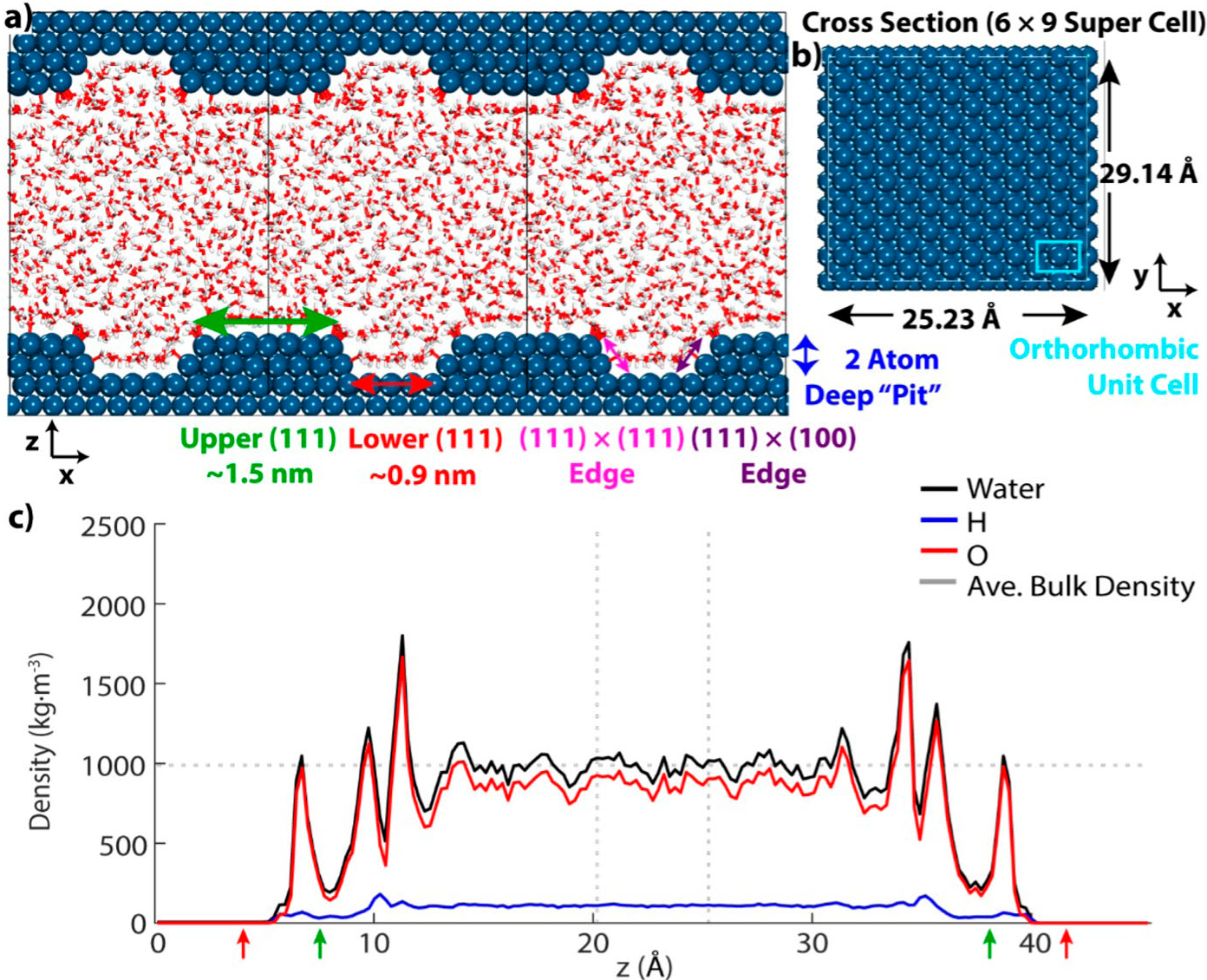
We are excited to announce our latest publication: Surface morphology controls charge storage at the electrified Pt-water interface in The Journal of Chemical Physics.
Using ab initio molecular dynamics simulations under controlled potentials, we reveal how the atomic-scale morphology of platinum surfaces governs charge storage and water adsorption at the electrified Pt–water interface. Our findings show that flat terraces and step edges play fundamentally different roles in interfacial charging, providing new mechanistic insights into the electrochemical behavior of platinum electrocatalysts for fuel cells and electrolyzers.
Special thanks to our Post Doc Muhammad Saleh for his contributions to this work.
Read the full paper here.
February 04, 2026
The 29th International Conference on Statistical Physics
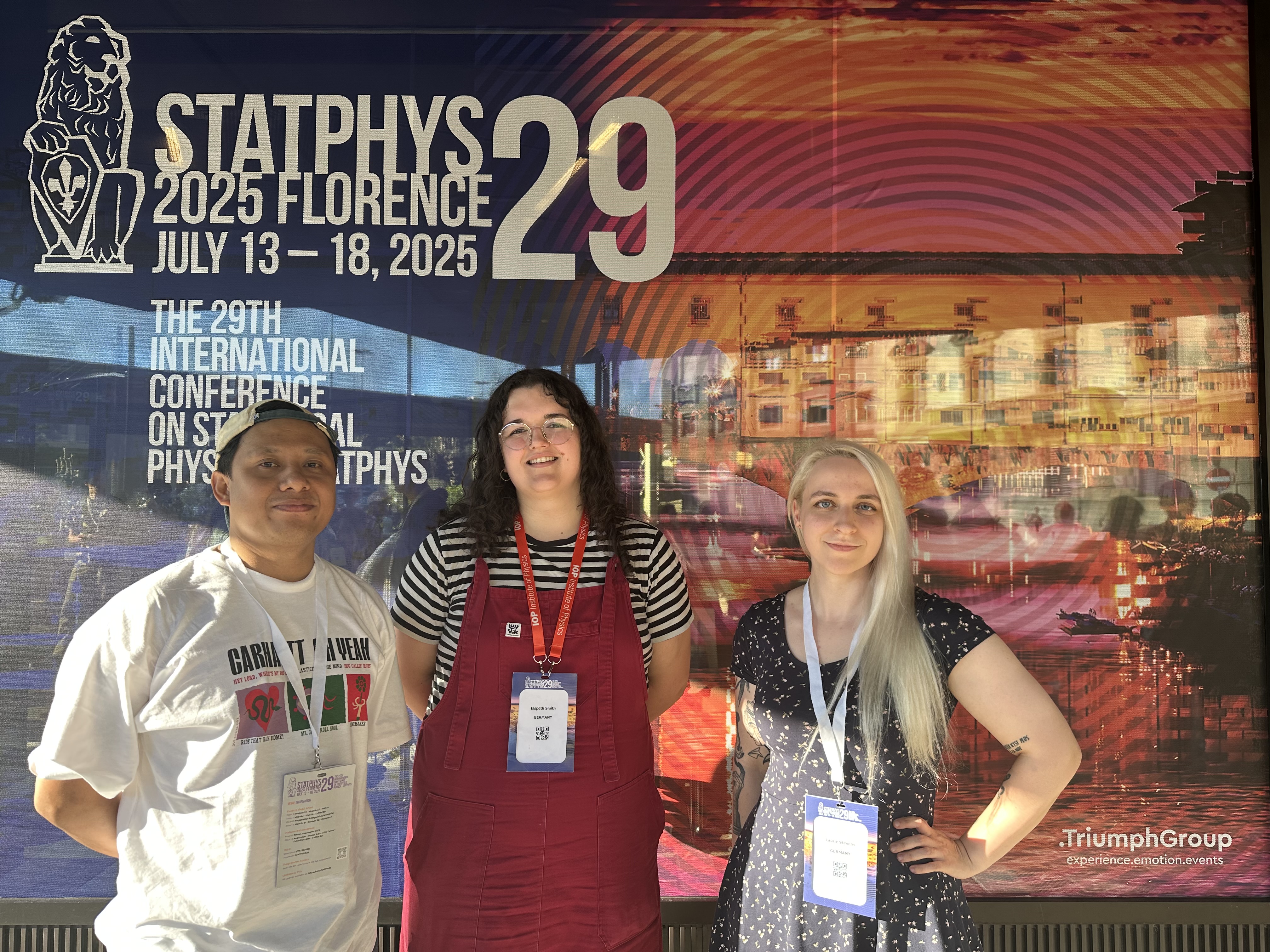
We’re proud to share that three of our group members presented their research at StatPhys29 during the poster sessions!
From left to right in the photo:
Muhammad Saleh – Machine learning potential for atomistic simulation of platinum-water interface.
Elspeth Smith – The influence of the gold interface on the structure and properties of aqueous sodium citrate solution.
Laurie Stevens – Multiscale simulation to understand pairing and stacking at the origin of life.
July 22, 2025.
New Publication in J. Phys. Chem. Lett.
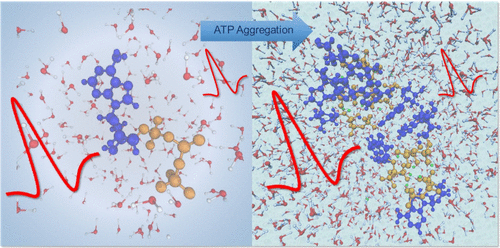
We are excited to announce our latest publication: Non-monotonous Concentration Dependent Solvation of ATP Could Help to Rationalize Its Anomalous Impact on Various Biophysical Processes in The Journal of Physical Chemistry Letters .
Using Terahertz spectroscopy and molecular dynamics simulations, we reveal how ATP’s solvation shell and aggregation dynamics change with concentration, which could provide insights into its complex biological roles.
Special thanks to our PhD students Laurie Stevens and Emma Rossi for their contributions to this work.
Read the full paper here.
April 25, 2025
RESOLV Seminar – Dr. Philip Loche
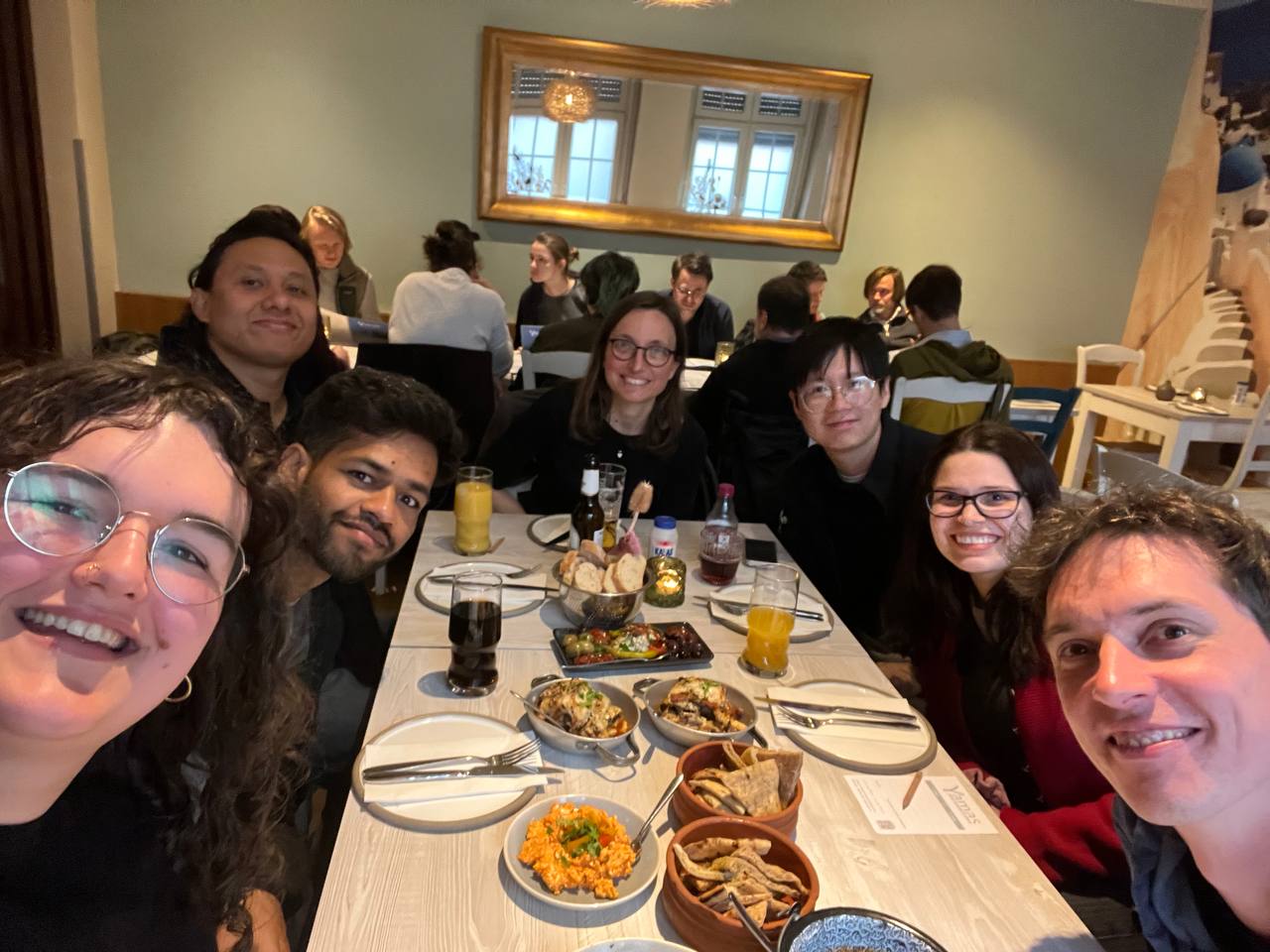
This week, we were excited to welcome Dr. Philip Loche from EPFL (École Polytechnique Fédérale de Lausanne), Switzerland, as our guest speaker in the RESOLV seminar series. Dr. Loche presented his work on „Data-driven Molecular Modelling from Bottom Up“, highlighting the development of a foundational machine learning model for chemistry and materials science.
What sets this model apart is its carefully curated training dataset. This strategic data selection enables the model to outperform others that are trained on much larger datasets, providing excellent accuracy and transferability across a wide range of systems without the need for retraining. Dr. Loche also discussed a fine-tuning strategy to achieve full quantum accuracy and the integration of long-range effects.
After the seminar, some of our group members had the opportunity to join Dr. Loche for dinner (Picture).
Many thanks to Dr. Loche for the visit!
09.04.2025
DPG Meeting in Regensburg 2025
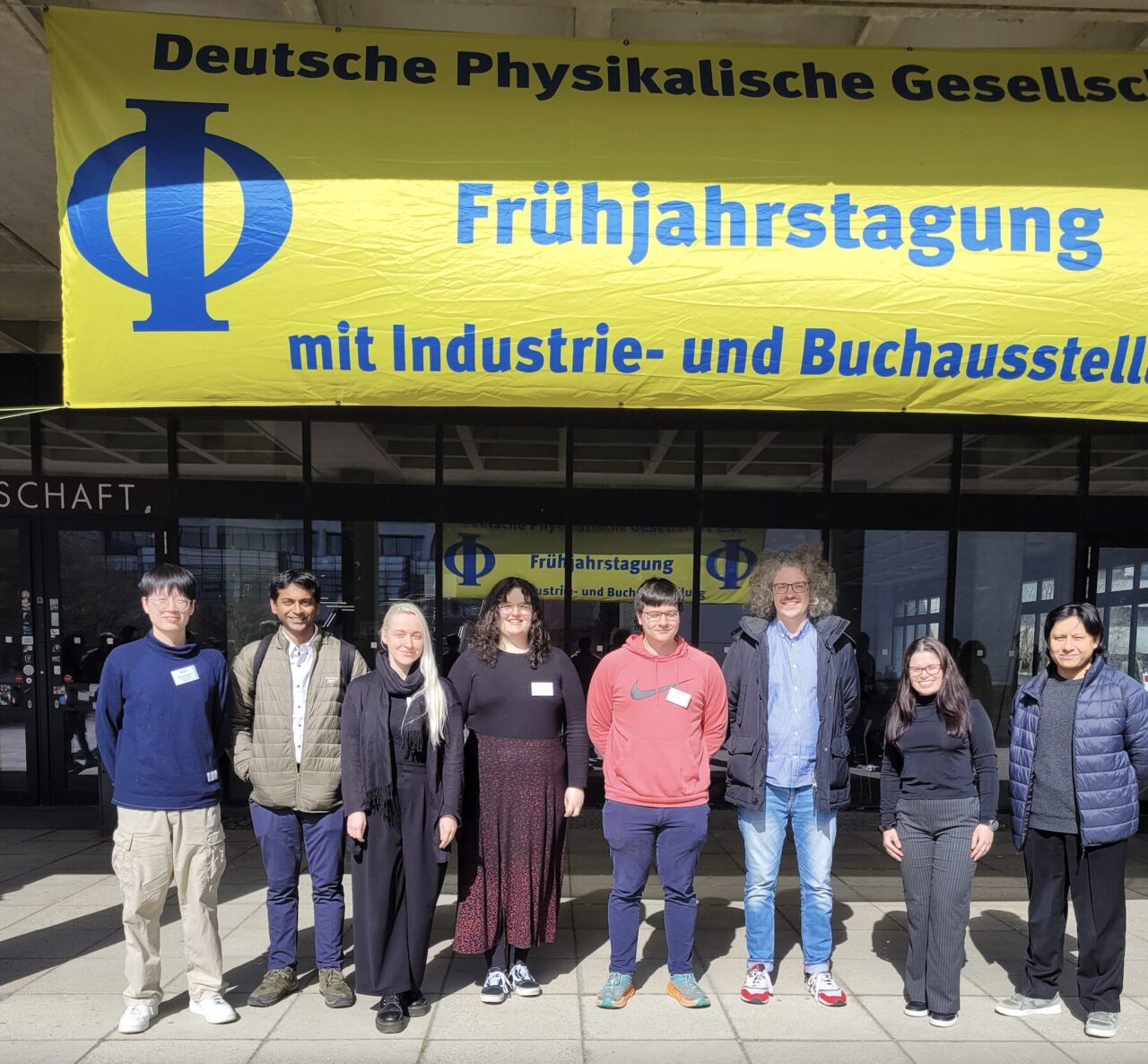
We’re happy to share that eight members of our group presented their research at the DPG Spring Meeting 2025 in Regensburg!
Talks Presented (left to right in the group photo):
Qixuan Li – Stabilization of Sodium Dodecyl Sulfate Reverse Micelles in Acid Solutions and Toluene from Molecular Dynamics Simulations
Krishan Kanhaiya – Polarizable Model of Graphite and Its Applications to Nanotechnology
Laurie Stevens – Machine-Learning Potentials to Understand Pairing and Stacking at the Origin of Life
Elspeth Smith – The Impact of the Gold Interface on the Structure and Properties of Aqueous Sodium Citrate Solution
Jonas Lehnen – Investigating Endosomal Escape Mechanisms of PEI-DNA Polyplexes with Computer Simulations
David Noel Zimmer – Ionizable Cationic Lipids and Helper Lipids Synergistically Contribute to RNA Packing and Protection in Lipid-Based Nanomaterials
Anna Karolyna M. S. Gomes – Structural and Dynamical Properties of the Solvated Electron from Ab Initio Molecular Dynamics Simulations
Muhammad Saleh – Atomistic Simulation of Platinum-Water Interface: Deep Potential Molecular Dynamics (DP-MD)
Christmas Party 2024
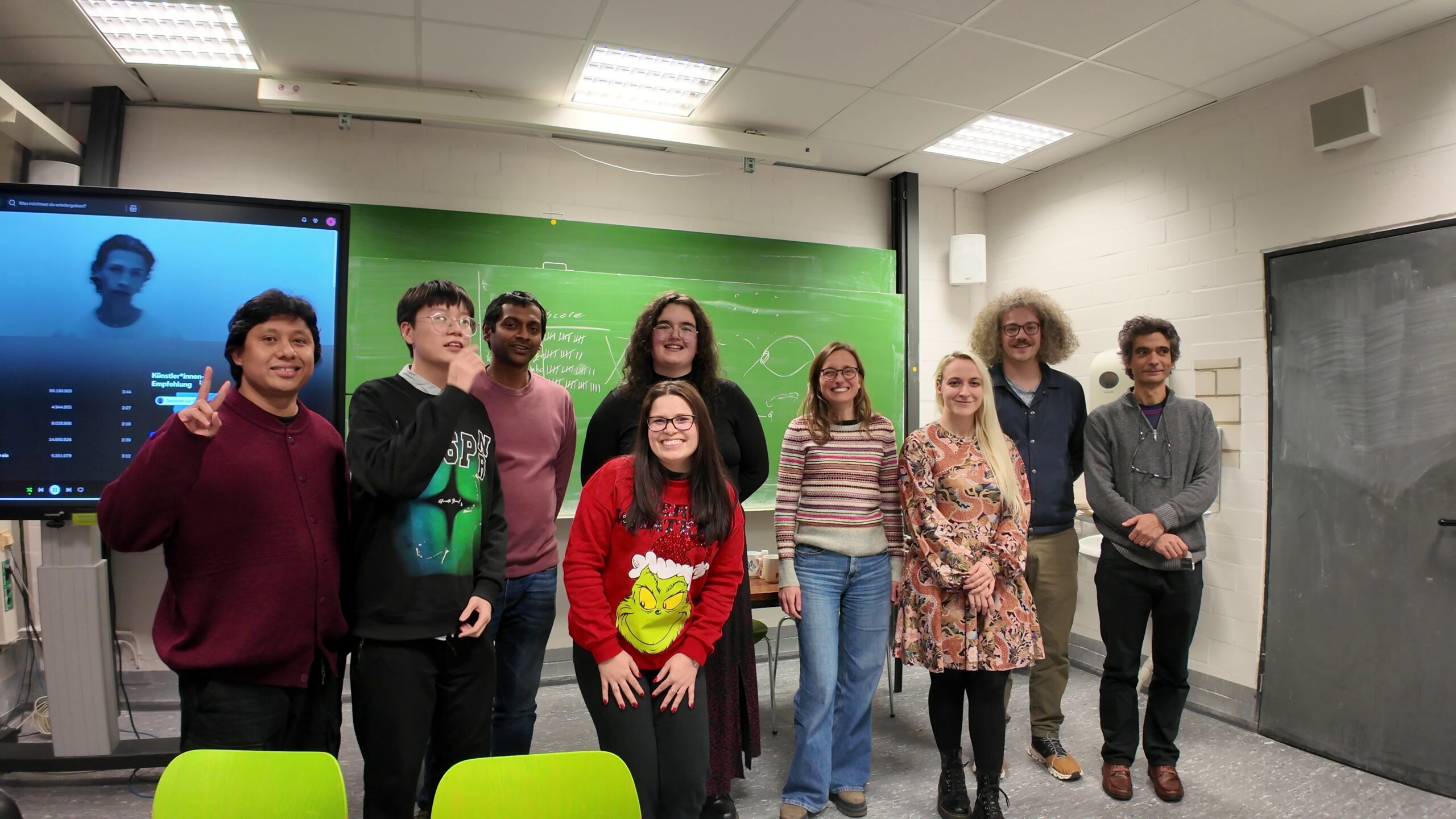
To celebrate the end of a successful year, TP3 members hosted a festive Christmas. Highlights included a lively quiz with chocolate prizes, beautiful violin and piano performances, and a fun Christmas carol singalong.
Happy Holidays from all of us!